From lumber town to confident capital
As your bus loops through Ottawa, you pass not just landmarks, but living chapters of Canada’s political, cultural, and everyday story.
Table of Contents
From timber frontier to national capital
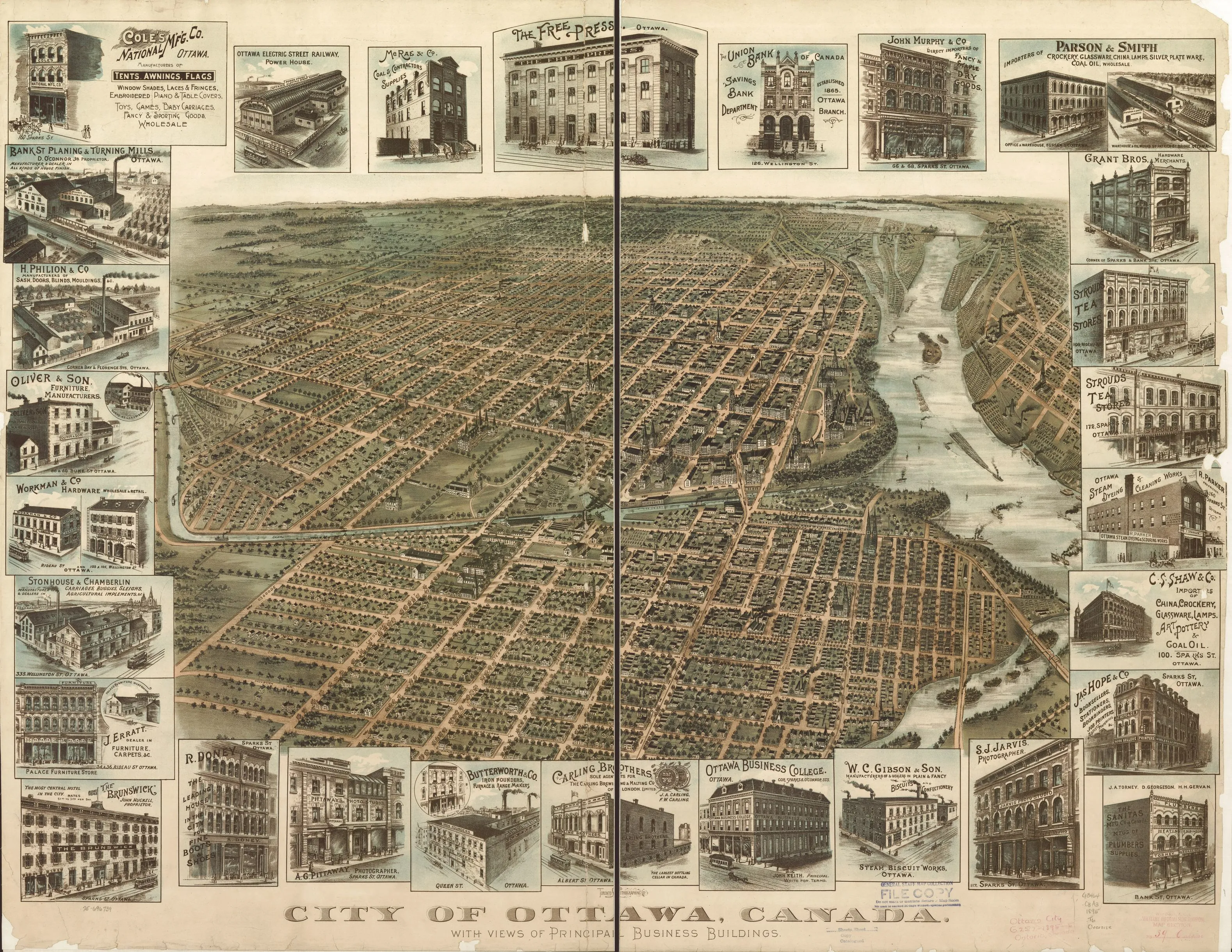
Before Ottawa became a polished capital with embassies, museums, and ceremonial avenues, it was a rough-edged settlement tied to the timber economy and the waterways that made trade possible. In the early 19th century, the area around what was then called Bytown grew quickly because the Rideau Canal project brought soldiers, engineers, labourers, merchants, and families into a landscape that was still physically demanding and socially fluid. The city’s foundations were practical before they were symbolic: move goods, connect routes, survive winter, and build a future where one barely existed.
That frontier pragmatism still lingers in Ottawa’s character today. Even as Parliament, national institutions, and diplomatic districts rose around it, the city never fully lost the feeling of a place built by people who had to improvise around climate, geography, and distance. Riding the hop-on hop-off bus through downtown and canal corridors, you can sense this layered identity: stately architecture and ceremony on one side, and the grounded pace of neighbourhood life on the other. Ottawa did not arrive overnight as a grand capital; it grew into one step by step, season by season, century by century.
Parliament Hill and the civic core
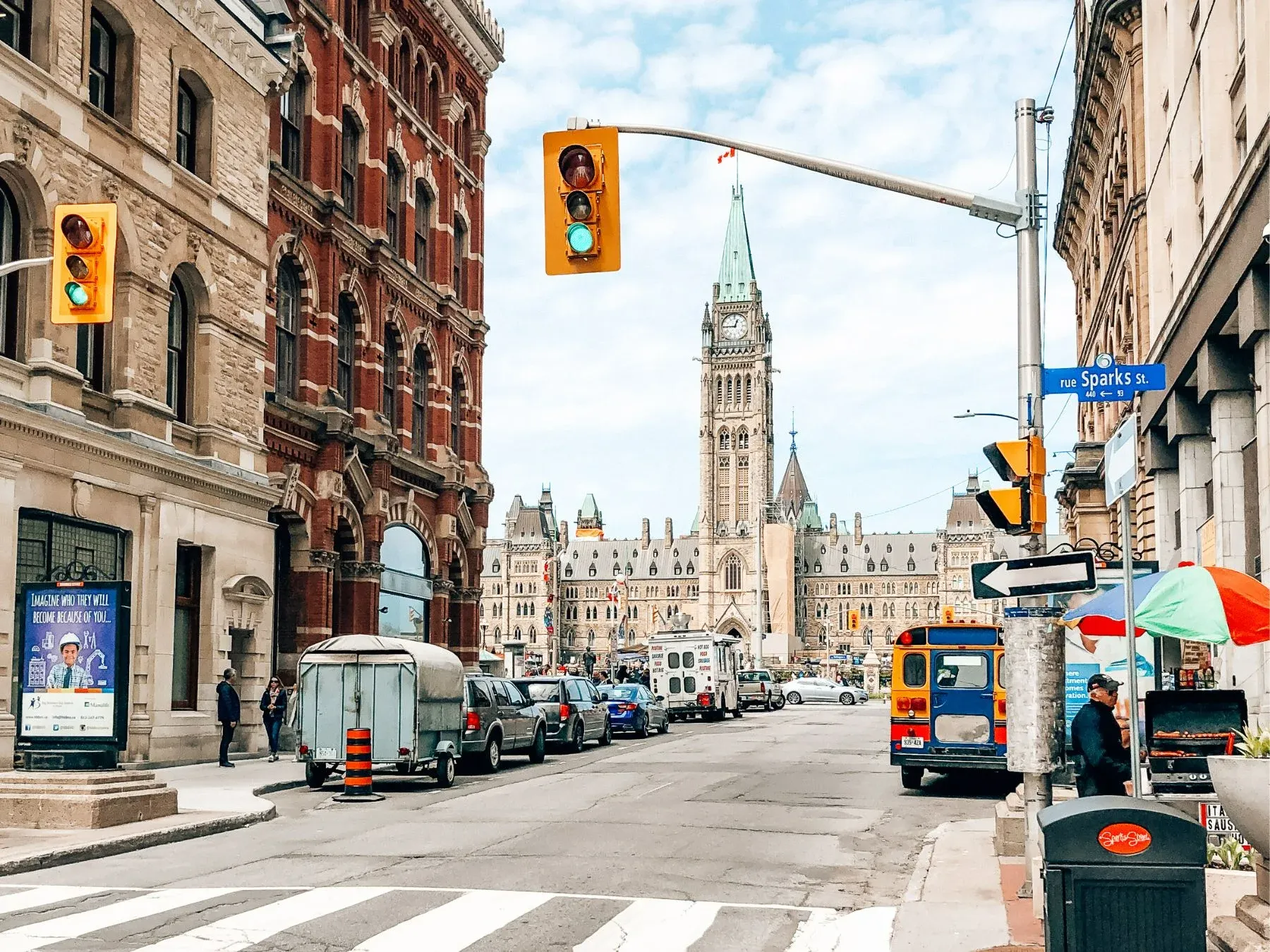
For many visitors, the emotional center of Ottawa begins at Parliament Hill, where stone towers, lawns, and public squares frame some of the country’s most recognizable civic imagery. The district is architectural theatre with real democratic function: committees, debates, media moments, school visits, protests, celebrations, and state ceremonies all happen within walking distance. From the upper deck of a sightseeing bus, it is easy to appreciate the choreography of the area, where sweeping perspectives and disciplined street grids were designed to communicate permanence and purpose.
Yet this civic core is not only about institutions. It is stitched into everyday urban life through nearby cafés, pedestrian corridors, office rhythms, and park edges where locals eat lunch or commute by bike. Hop off here and you quickly notice how the monumental and the ordinary coexist: formal buildings facing informal city rituals, national symbolism alongside practical routines. That contrast is one of Ottawa’s most engaging qualities, and it is best understood slowly, with time to walk, observe, and then rejoin the route when you are ready.
Markets, merchants and everyday trade
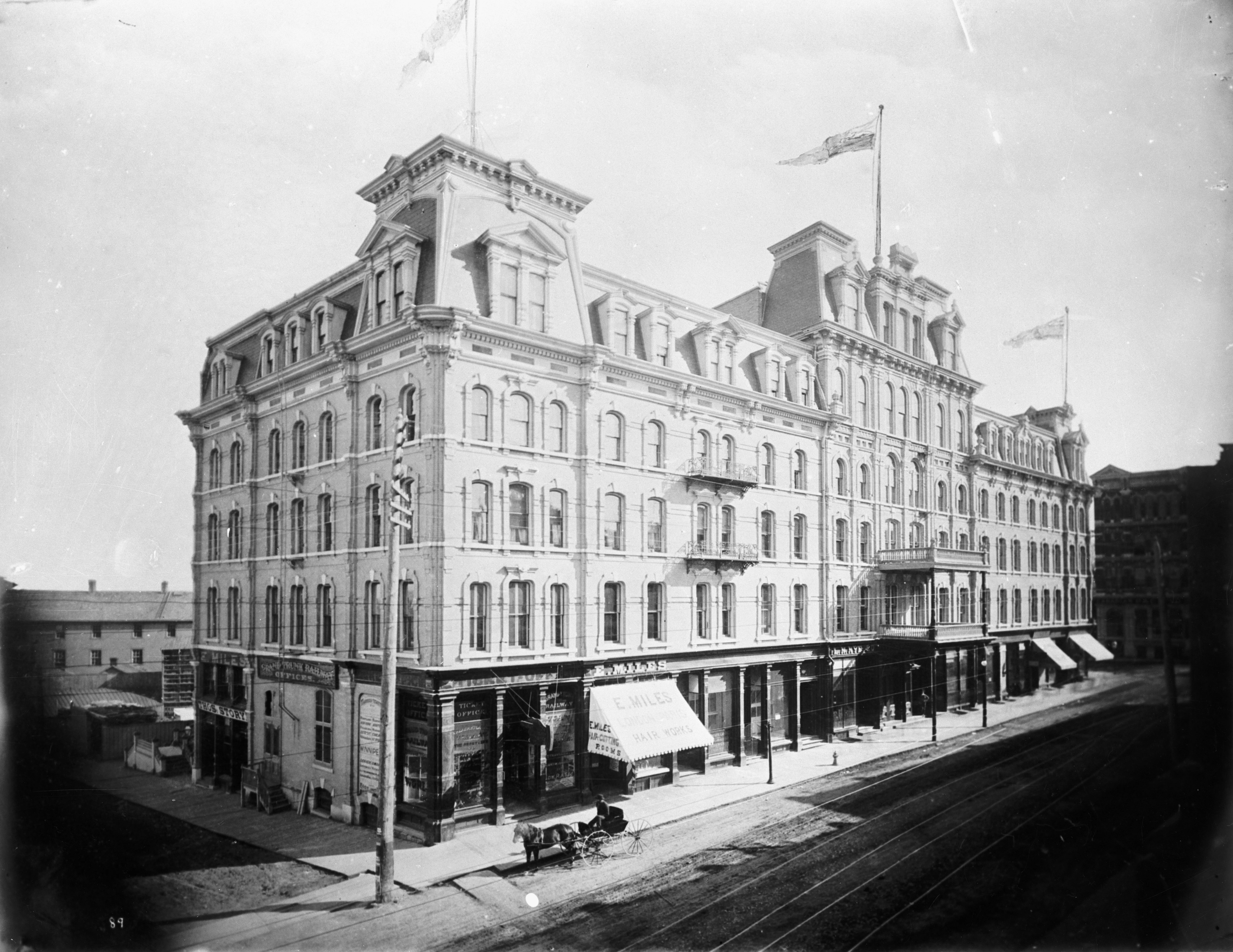
The ByWard Market area tells a different but equally vivid urban story: one of produce stalls, independent traders, small restaurants, artisans, and constant reinvention. What began as a practical commercial zone serving a growing settlement evolved into one of Ottawa’s most recognizable social spaces, where visitors and locals overlap from morning coffee through evening dining. The district has changed repeatedly with economic shifts, migration waves, and tourism growth, yet it has preserved a lived-in texture that cannot be replicated in purely planned retail zones.
Seen from the bus and then explored on foot, the market becomes more than a photo stop. It is a lesson in how cities sustain identity through routine exchange: food, language, craft, music, and conversation. You can spend an hour here or a full afternoon, moving from heritage façades to contemporary storefronts and back again. The hop-on hop-off format works especially well in this context, because it lets you dip deeply into one district without sacrificing the chance to continue your broader city circuit later.
Canals, rivers and strategic geography
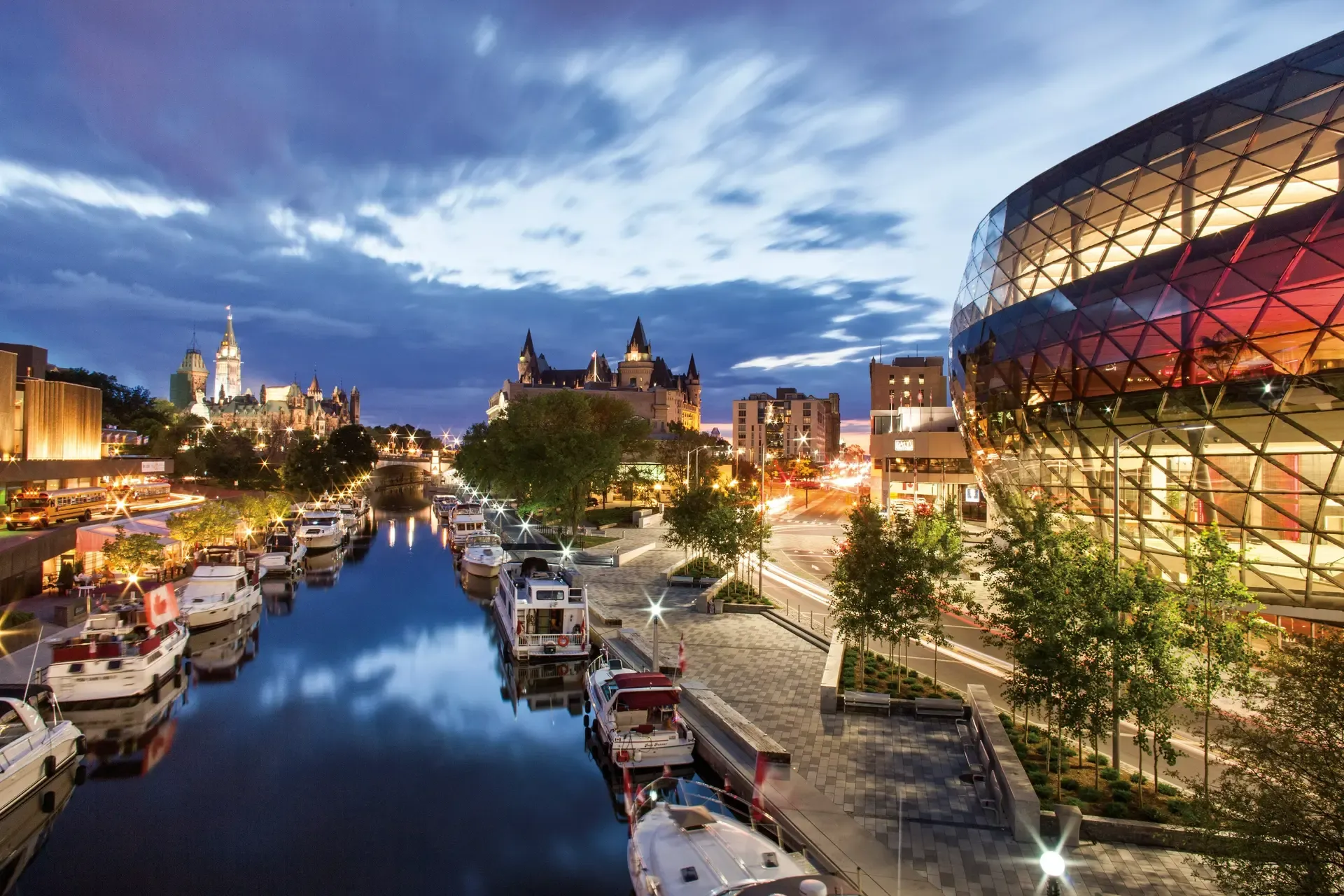
Ottawa’s geography is not background scenery; it is the reason the city exists in its present form. The Ottawa River, Rideau River, and Rideau Canal created routes for movement, trade, defense, and eventually recreation, linking local daily life with national-scale infrastructure goals. The Rideau Canal in particular, built in the early 19th century as a strategic military supply route, is an extraordinary example of engineering that later transformed into a civic and cultural spine used for festivals, walks, cycling, and winter skating.
As your bus passes canal viewpoints and river-facing roads, you can see how water organizes the city’s rhythm and visual identity. Bridges frame transitions between districts, lockstations attract visitors, and green corridors soften the urban experience even in dense central areas. Ottawa feels calmer than many capitals partly because these waterways interrupt and rebalance the built environment. They invite pauses, and hop-on hop-off travel makes those pauses easy to take.
Museums, memory and national identity

Few capitals tell their national story as deliberately as Ottawa, and the museum network is central to that effort. Depending on your route and stop choices, you may connect to institutions that explore art, war memory, science, Indigenous histories, social transformation, and the many narratives that shape contemporary Canada. These are not decorative add-ons to sightseeing; they are intellectual anchors that give depth to everything else you see from the bus.
What makes the experience especially compelling is proximity. In one day, you can move from ceremonial political spaces to galleries of historic objects, then to river viewpoints that reveal the geography tying these stories together. The hop-on hop-off format works as a bridge between quick orientation and meaningful engagement: you can identify what interests you from the route overview, then dedicate focused time where the story resonates most.
Modern Ottawa beyond postcard landmarks
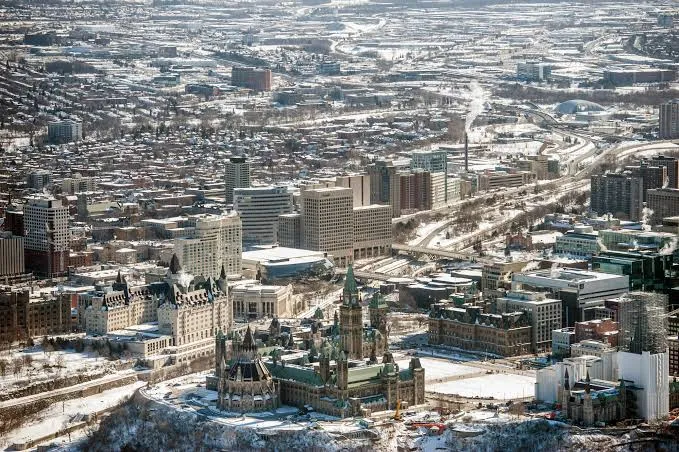
Beyond the classic postcard views, modern Ottawa is a city of working neighbourhoods, bilingual cultural life, universities, local design scenes, and seasonal public programming that continuously refreshes the downtown mood. New residential and mixed-use developments have changed the rhythm of districts once dominated by office traffic, adding evening life, food diversity, and stronger street-level activity across more hours of the day.
From the bus, this evolution appears in subtle ways: bike infrastructure, repurposed heritage buildings, curated public spaces, and crowds that shift from business commuters to festival-goers as the day progresses. Hop off outside the obvious landmarks and Ottawa often feels warmer, younger, and more experimental than first impressions suggest. The capital identity remains strong, but it now coexists with a distinctly local, lived-in energy.
The Ottawa-Gatineau connection
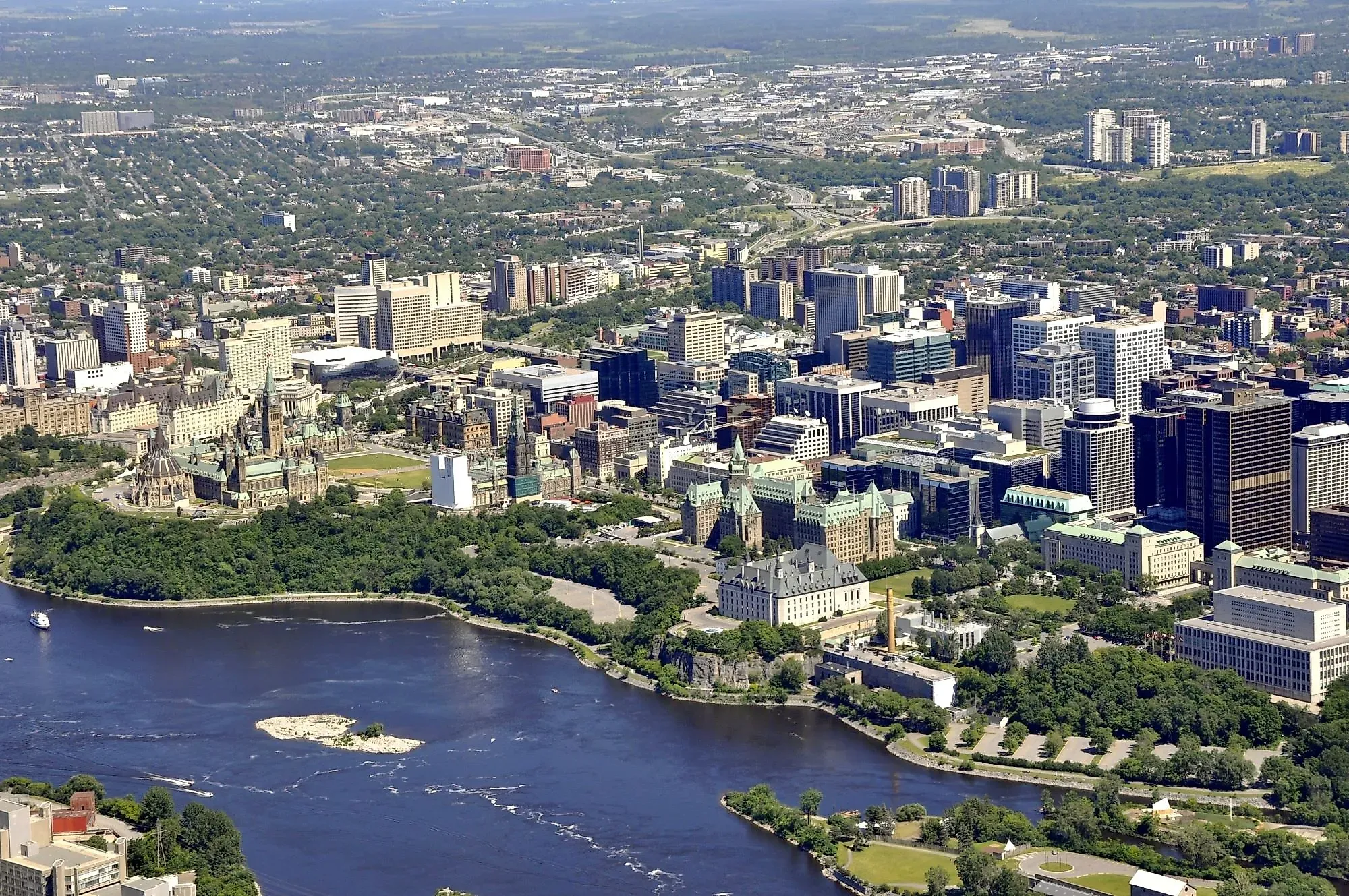
One of Ottawa’s most interesting dynamics is that its functional urban life extends across a provincial boundary into Gatineau, creating a cross-river region where language, governance, and identity intersect daily. Bridges are not just transportation links here; they are social connectors. Commuters, students, museum visitors, and weekend explorers move back and forth constantly, turning the river into a meeting place rather than a dividing line.
If your itinerary includes riverfront viewpoints or museum-side detours, you will quickly sense this two-city rhythm. Landscapes, architecture, and street culture shift subtly as you cross, yet the broader metropolitan experience remains cohesive. Hop-on hop-off travel is especially useful in this context because it gives visitors an intuitive spatial understanding of the capital region that maps alone rarely provide.
Crowds, safety and accessibility
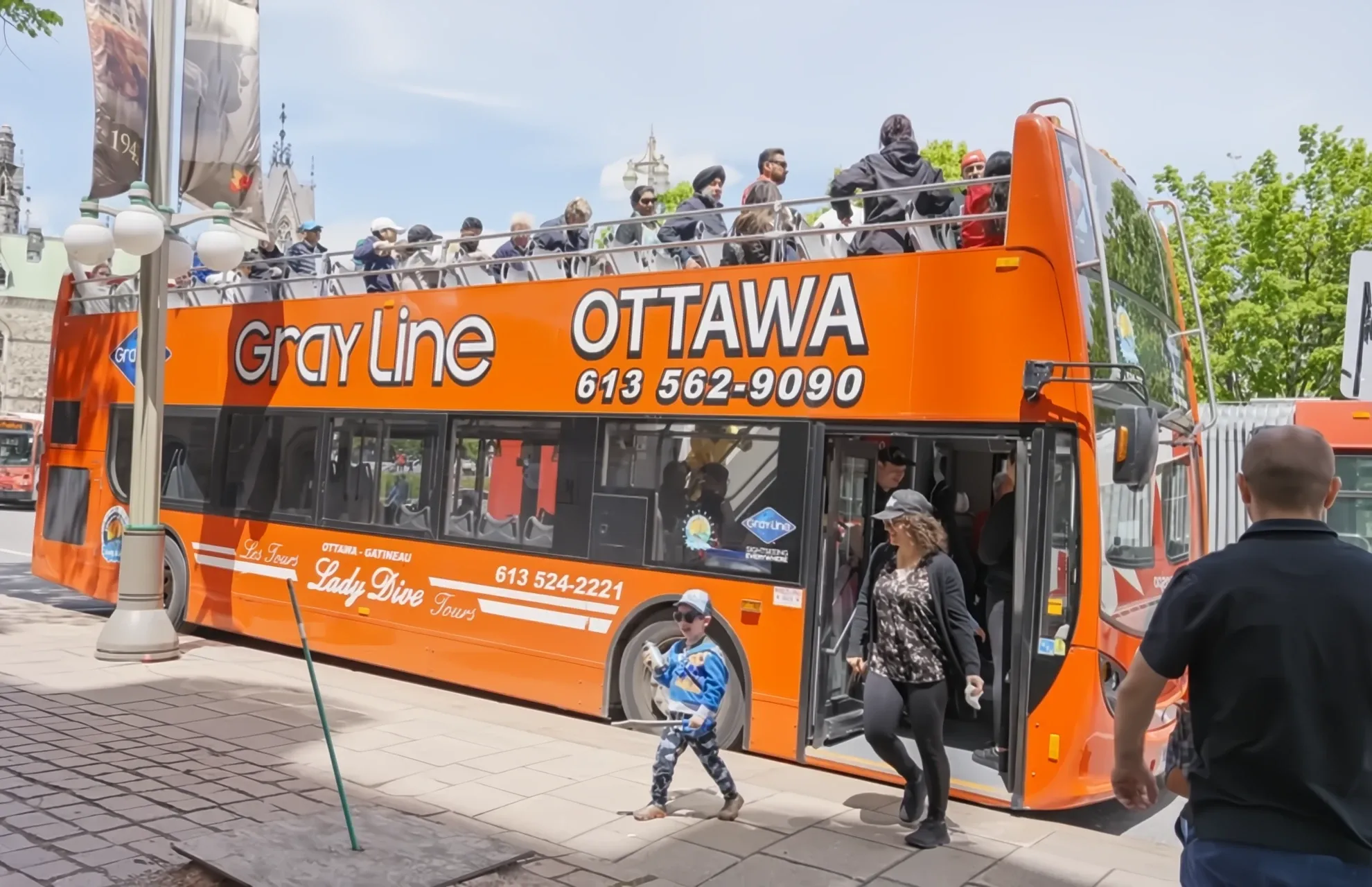
Ottawa is generally easy to navigate, but central zones can still become crowded during summer peaks, holiday weekends, and major public events. Sightseeing operators are accustomed to supporting first-time visitors, and clearly marked boarding points reduce uncertainty, yet practical awareness still matters: keep personal items secure, allow extra boarding time during busy periods, and use signed crossings when moving between stops and attractions.
Accessibility continues to improve across fleets and visitor infrastructure, with many services offering features such as easier step access, ramps, and designated spaces. Conditions can still vary by exact vehicle and street layout around certain stops, so a quick confirmation call before travel can make the day significantly smoother for travellers with mobility needs, strollers, or special assistance requirements.
Festivals, winter culture and local rituals
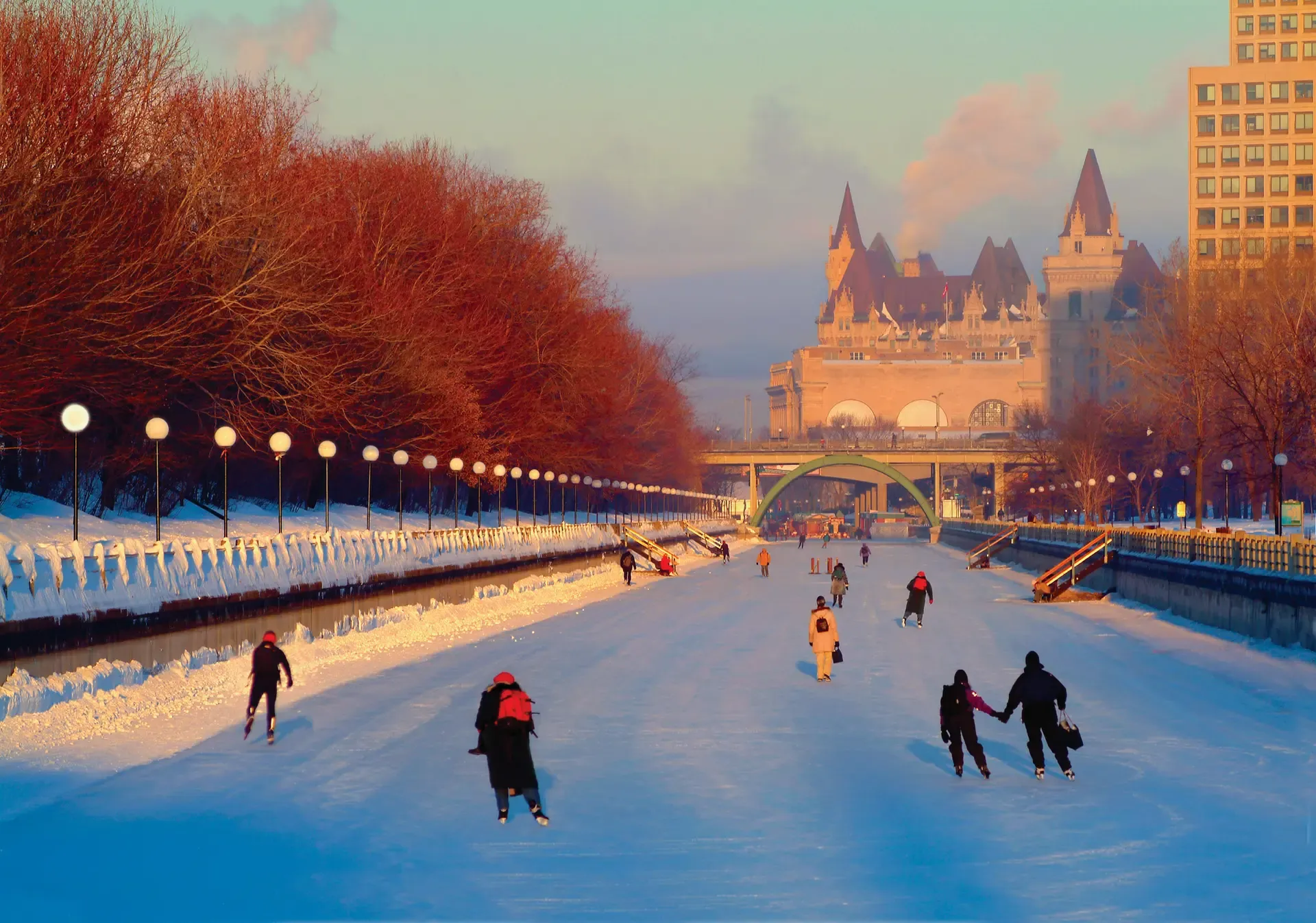
Ottawa’s event calendar gives the city a seasonal pulse that can transform familiar streets from one month to the next. In warmer months, public squares and parks host music, food, and cultural programming, while winter brings a distinctly northern atmosphere shaped by lights, snow, skating traditions, and cold-weather social rituals. This cyclical character is part of what makes repeat visits rewarding: the same route can feel like a different city depending on when you ride.
Even outside headline festivals, everyday rituals reveal local culture in small but memorable ways: lunchtime queues at independent coffee spots, evening patios when temperatures allow, weekend market browsing, and community use of green corridors along the water. Hop off for an hour at the right stop and you move from sightseeing to participation, then return to the bus with a fuller sense of how Ottawa is actually lived by the people who call it home.
Tickets, routes and smart planning
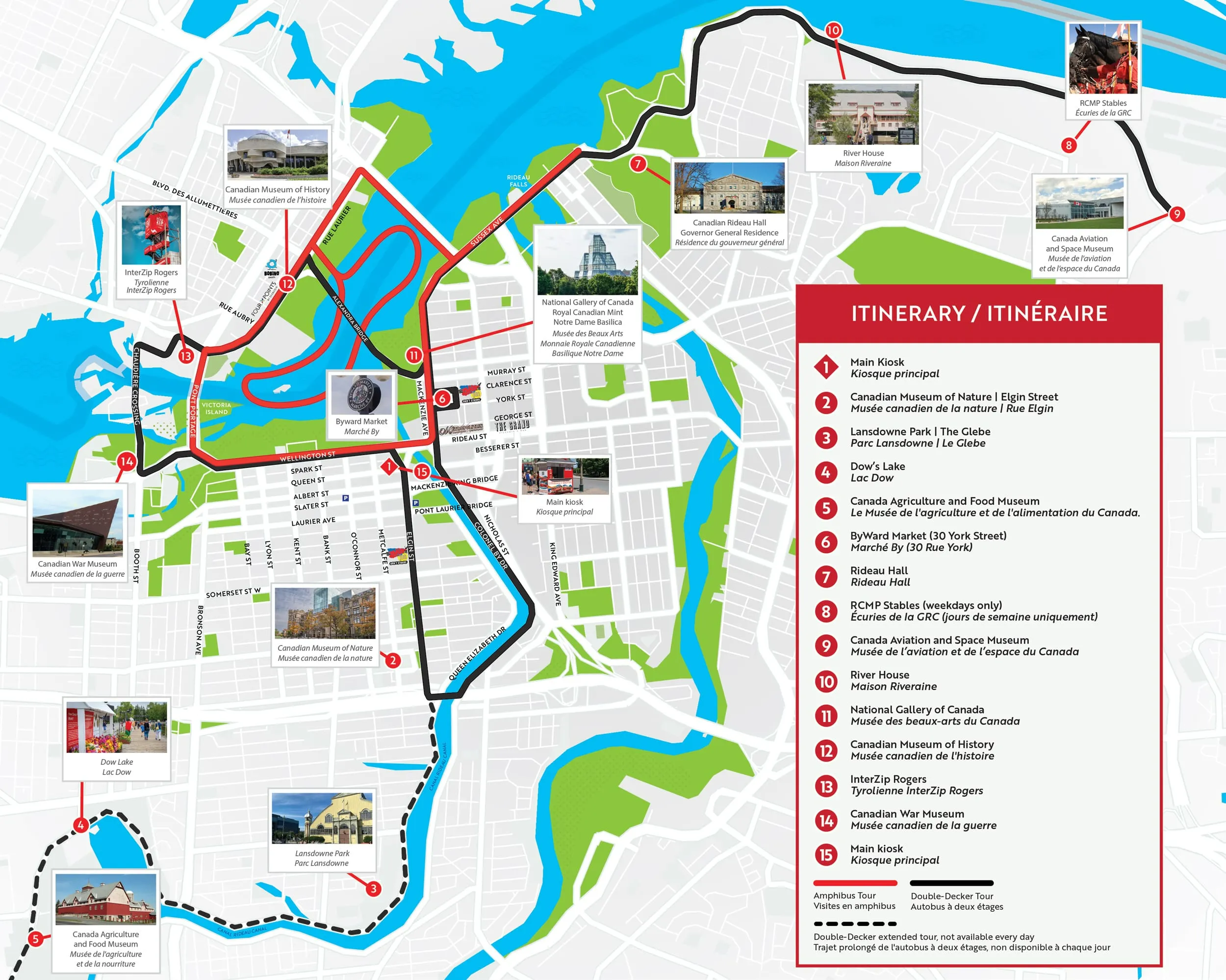
A little planning has an outsized payoff in Ottawa, especially if your trip is short and you want to combine landmarks, museums, and neighbourhood time without rushing. Compare route maps, first and last departure windows, and bundled inclusions before purchasing. Some passes are intentionally simple, while others are designed for visitors who want a fuller cultural itinerary with add-ons.
If you only have one day, start with a loop to orient yourself and then commit to two or three hop-off priorities rather than trying to do everything. If you have extra time, use the bus as a backbone: one district in the morning, another after lunch, and one scenic or museum stop later in the day. This approach preserves energy, reduces decision fatigue, and makes the experience feel curated rather than chaotic.
Protecting heritage in an evolving city
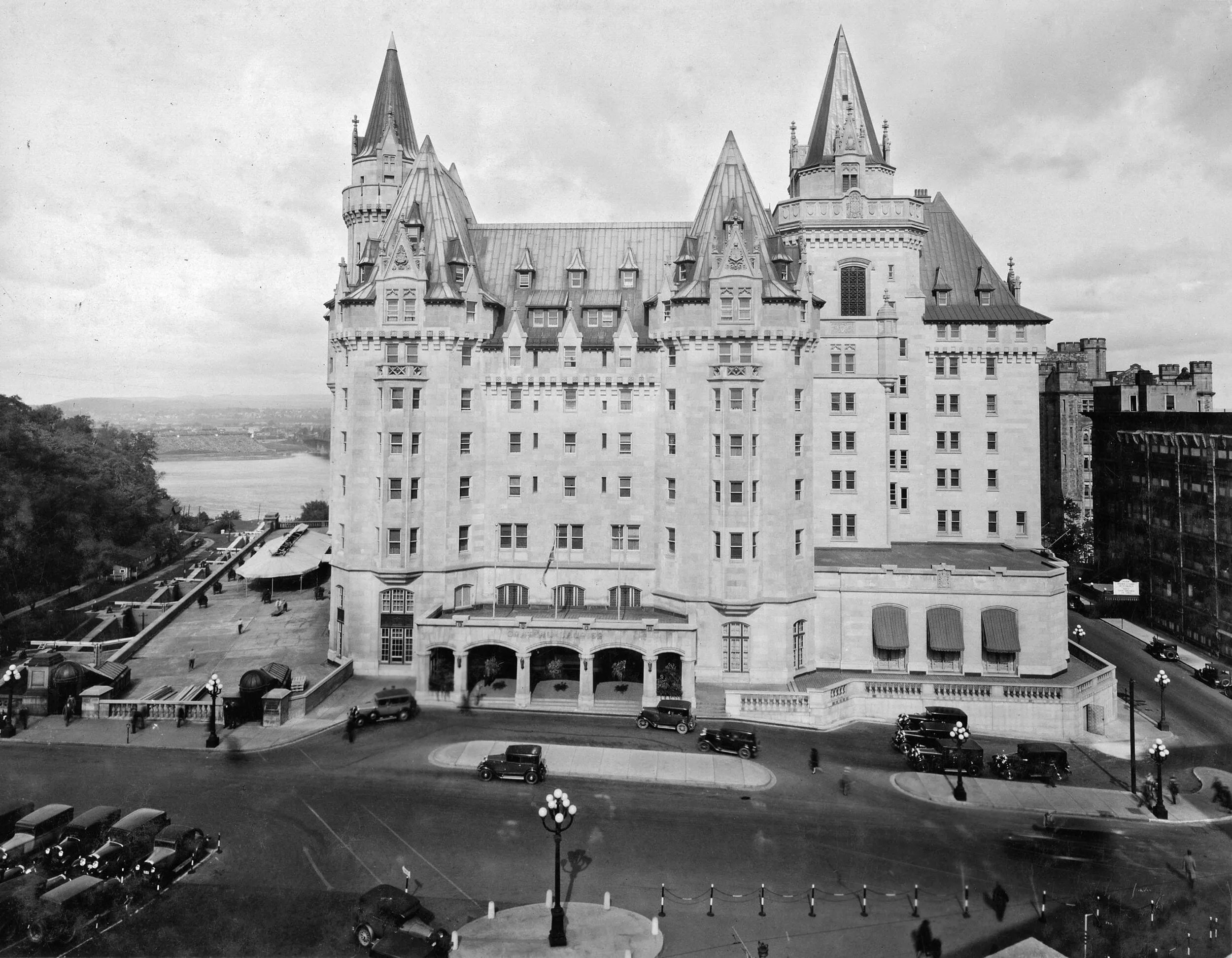
Ottawa continues to evolve, and one of its ongoing challenges is balancing growth with stewardship of built heritage, public institutions, and culturally meaningful landscapes. Renovation projects, adaptive reuse, and infrastructure upgrades are visible throughout central areas, reminding visitors that a capital is never finished; it is continually negotiated between preservation goals and contemporary urban needs.
Travellers can contribute positively by supporting official heritage venues, following site rules, and choosing operators that communicate respectfully about local history and communities. Hop-on hop-off tours are especially helpful when used thoughtfully, because they allow broad city access without unnecessary car movement in sensitive or high-demand central zones.
Scenic detours and river viewpoints

Many visitors begin with the city loop and then branch into short detours that reveal Ottawa’s softer side: riverfront paths, quieter parks, neighbourhood cafés, and elevated viewpoints with broad skyline perspectives. These side trips do not require complex planning; often, one well-chosen hop-off and a comfortable walk are enough to add texture and calm to an otherwise landmark-heavy day.
If your schedule allows, combine structured sightseeing with unstructured observation. Spend time watching locks in operation, crossing a bridge for a different perspective, or resting in a green corridor before boarding again. This rhythm of movement and pause is where Ottawa tends to shine, and it is one of the key reasons hop-on hop-off travel works so naturally in the capital.
Why a bus ride reveals Ottawa’s character
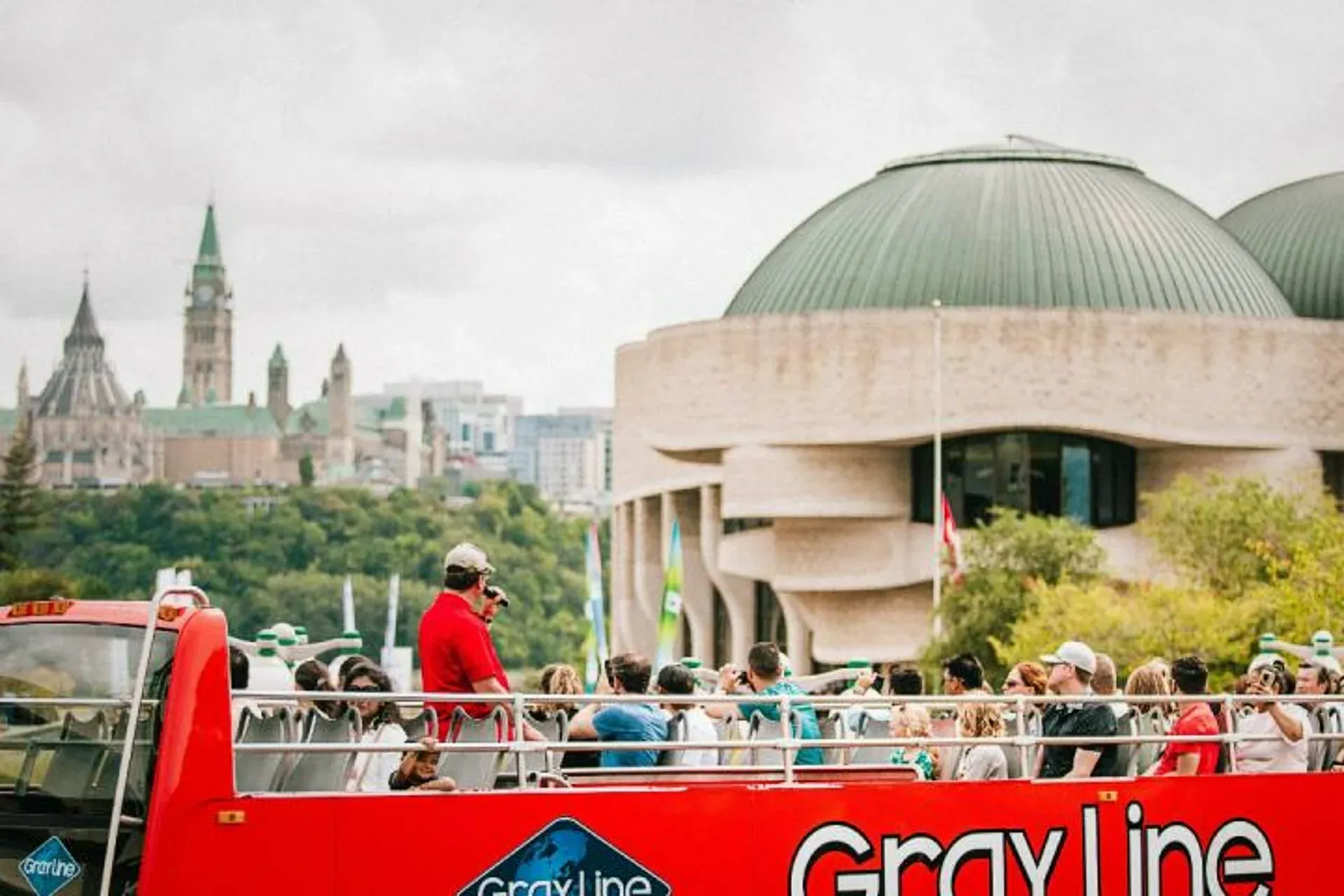
On the surface, a hop-on hop-off ticket looks like a simple convenience product: transport plus commentary. In practice, especially in Ottawa, it becomes a narrative framework. You begin by connecting landmarks, but soon you are also connecting eras, institutions, waterways, neighbourhood cultures, and the practical routines that make a capital function day after day. The bus window acts as a moving lens that keeps context intact while the city changes block by block.
By the end of your route, Ottawa often feels less like a checklist and more like a coherent place with a distinct civic personality. You have seen formal power and informal street life, national symbolism and local everyday rhythm, history and active reinvention all within a manageable footprint. That is the quiet strength of this city, and a well-planned hop-on hop-off day is one of the most approachable ways to understand it deeply.
Table of Contents
From timber frontier to national capital
Before Ottawa became a polished capital with embassies, museums, and ceremonial avenues, it was a rough-edged settlement tied to the timber economy and the waterways that made trade possible. In the early 19th century, the area around what was then called Bytown grew quickly because the Rideau Canal project brought soldiers, engineers, labourers, merchants, and families into a landscape that was still physically demanding and socially fluid. The city’s foundations were practical before they were symbolic: move goods, connect routes, survive winter, and build a future where one barely existed.
That frontier pragmatism still lingers in Ottawa’s character today. Even as Parliament, national institutions, and diplomatic districts rose around it, the city never fully lost the feeling of a place built by people who had to improvise around climate, geography, and distance. Riding the hop-on hop-off bus through downtown and canal corridors, you can sense this layered identity: stately architecture and ceremony on one side, and the grounded pace of neighbourhood life on the other. Ottawa did not arrive overnight as a grand capital; it grew into one step by step, season by season, century by century.
Parliament Hill and the civic core
For many visitors, the emotional center of Ottawa begins at Parliament Hill, where stone towers, lawns, and public squares frame some of the country’s most recognizable civic imagery. The district is architectural theatre with real democratic function: committees, debates, media moments, school visits, protests, celebrations, and state ceremonies all happen within walking distance. From the upper deck of a sightseeing bus, it is easy to appreciate the choreography of the area, where sweeping perspectives and disciplined street grids were designed to communicate permanence and purpose.
Yet this civic core is not only about institutions. It is stitched into everyday urban life through nearby cafés, pedestrian corridors, office rhythms, and park edges where locals eat lunch or commute by bike. Hop off here and you quickly notice how the monumental and the ordinary coexist: formal buildings facing informal city rituals, national symbolism alongside practical routines. That contrast is one of Ottawa’s most engaging qualities, and it is best understood slowly, with time to walk, observe, and then rejoin the route when you are ready.
Markets, merchants and everyday trade
The ByWard Market area tells a different but equally vivid urban story: one of produce stalls, independent traders, small restaurants, artisans, and constant reinvention. What began as a practical commercial zone serving a growing settlement evolved into one of Ottawa’s most recognizable social spaces, where visitors and locals overlap from morning coffee through evening dining. The district has changed repeatedly with economic shifts, migration waves, and tourism growth, yet it has preserved a lived-in texture that cannot be replicated in purely planned retail zones.
Seen from the bus and then explored on foot, the market becomes more than a photo stop. It is a lesson in how cities sustain identity through routine exchange: food, language, craft, music, and conversation. You can spend an hour here or a full afternoon, moving from heritage façades to contemporary storefronts and back again. The hop-on hop-off format works especially well in this context, because it lets you dip deeply into one district without sacrificing the chance to continue your broader city circuit later.
Canals, rivers and strategic geography
Ottawa’s geography is not background scenery; it is the reason the city exists in its present form. The Ottawa River, Rideau River, and Rideau Canal created routes for movement, trade, defense, and eventually recreation, linking local daily life with national-scale infrastructure goals. The Rideau Canal in particular, built in the early 19th century as a strategic military supply route, is an extraordinary example of engineering that later transformed into a civic and cultural spine used for festivals, walks, cycling, and winter skating.
As your bus passes canal viewpoints and river-facing roads, you can see how water organizes the city’s rhythm and visual identity. Bridges frame transitions between districts, lockstations attract visitors, and green corridors soften the urban experience even in dense central areas. Ottawa feels calmer than many capitals partly because these waterways interrupt and rebalance the built environment. They invite pauses, and hop-on hop-off travel makes those pauses easy to take.
Museums, memory and national identity
Few capitals tell their national story as deliberately as Ottawa, and the museum network is central to that effort. Depending on your route and stop choices, you may connect to institutions that explore art, war memory, science, Indigenous histories, social transformation, and the many narratives that shape contemporary Canada. These are not decorative add-ons to sightseeing; they are intellectual anchors that give depth to everything else you see from the bus.
What makes the experience especially compelling is proximity. In one day, you can move from ceremonial political spaces to galleries of historic objects, then to river viewpoints that reveal the geography tying these stories together. The hop-on hop-off format works as a bridge between quick orientation and meaningful engagement: you can identify what interests you from the route overview, then dedicate focused time where the story resonates most.
Modern Ottawa beyond postcard landmarks
Beyond the classic postcard views, modern Ottawa is a city of working neighbourhoods, bilingual cultural life, universities, local design scenes, and seasonal public programming that continuously refreshes the downtown mood. New residential and mixed-use developments have changed the rhythm of districts once dominated by office traffic, adding evening life, food diversity, and stronger street-level activity across more hours of the day.
From the bus, this evolution appears in subtle ways: bike infrastructure, repurposed heritage buildings, curated public spaces, and crowds that shift from business commuters to festival-goers as the day progresses. Hop off outside the obvious landmarks and Ottawa often feels warmer, younger, and more experimental than first impressions suggest. The capital identity remains strong, but it now coexists with a distinctly local, lived-in energy.
The Ottawa-Gatineau connection
One of Ottawa’s most interesting dynamics is that its functional urban life extends across a provincial boundary into Gatineau, creating a cross-river region where language, governance, and identity intersect daily. Bridges are not just transportation links here; they are social connectors. Commuters, students, museum visitors, and weekend explorers move back and forth constantly, turning the river into a meeting place rather than a dividing line.
If your itinerary includes riverfront viewpoints or museum-side detours, you will quickly sense this two-city rhythm. Landscapes, architecture, and street culture shift subtly as you cross, yet the broader metropolitan experience remains cohesive. Hop-on hop-off travel is especially useful in this context because it gives visitors an intuitive spatial understanding of the capital region that maps alone rarely provide.
Crowds, safety and accessibility
Ottawa is generally easy to navigate, but central zones can still become crowded during summer peaks, holiday weekends, and major public events. Sightseeing operators are accustomed to supporting first-time visitors, and clearly marked boarding points reduce uncertainty, yet practical awareness still matters: keep personal items secure, allow extra boarding time during busy periods, and use signed crossings when moving between stops and attractions.
Accessibility continues to improve across fleets and visitor infrastructure, with many services offering features such as easier step access, ramps, and designated spaces. Conditions can still vary by exact vehicle and street layout around certain stops, so a quick confirmation call before travel can make the day significantly smoother for travellers with mobility needs, strollers, or special assistance requirements.
Festivals, winter culture and local rituals
Ottawa’s event calendar gives the city a seasonal pulse that can transform familiar streets from one month to the next. In warmer months, public squares and parks host music, food, and cultural programming, while winter brings a distinctly northern atmosphere shaped by lights, snow, skating traditions, and cold-weather social rituals. This cyclical character is part of what makes repeat visits rewarding: the same route can feel like a different city depending on when you ride.
Even outside headline festivals, everyday rituals reveal local culture in small but memorable ways: lunchtime queues at independent coffee spots, evening patios when temperatures allow, weekend market browsing, and community use of green corridors along the water. Hop off for an hour at the right stop and you move from sightseeing to participation, then return to the bus with a fuller sense of how Ottawa is actually lived by the people who call it home.
Tickets, routes and smart planning
A little planning has an outsized payoff in Ottawa, especially if your trip is short and you want to combine landmarks, museums, and neighbourhood time without rushing. Compare route maps, first and last departure windows, and bundled inclusions before purchasing. Some passes are intentionally simple, while others are designed for visitors who want a fuller cultural itinerary with add-ons.
If you only have one day, start with a loop to orient yourself and then commit to two or three hop-off priorities rather than trying to do everything. If you have extra time, use the bus as a backbone: one district in the morning, another after lunch, and one scenic or museum stop later in the day. This approach preserves energy, reduces decision fatigue, and makes the experience feel curated rather than chaotic.
Protecting heritage in an evolving city
Ottawa continues to evolve, and one of its ongoing challenges is balancing growth with stewardship of built heritage, public institutions, and culturally meaningful landscapes. Renovation projects, adaptive reuse, and infrastructure upgrades are visible throughout central areas, reminding visitors that a capital is never finished; it is continually negotiated between preservation goals and contemporary urban needs.
Travellers can contribute positively by supporting official heritage venues, following site rules, and choosing operators that communicate respectfully about local history and communities. Hop-on hop-off tours are especially helpful when used thoughtfully, because they allow broad city access without unnecessary car movement in sensitive or high-demand central zones.
Scenic detours and river viewpoints
Many visitors begin with the city loop and then branch into short detours that reveal Ottawa’s softer side: riverfront paths, quieter parks, neighbourhood cafés, and elevated viewpoints with broad skyline perspectives. These side trips do not require complex planning; often, one well-chosen hop-off and a comfortable walk are enough to add texture and calm to an otherwise landmark-heavy day.
If your schedule allows, combine structured sightseeing with unstructured observation. Spend time watching locks in operation, crossing a bridge for a different perspective, or resting in a green corridor before boarding again. This rhythm of movement and pause is where Ottawa tends to shine, and it is one of the key reasons hop-on hop-off travel works so naturally in the capital.
Why a bus ride reveals Ottawa’s character
On the surface, a hop-on hop-off ticket looks like a simple convenience product: transport plus commentary. In practice, especially in Ottawa, it becomes a narrative framework. You begin by connecting landmarks, but soon you are also connecting eras, institutions, waterways, neighbourhood cultures, and the practical routines that make a capital function day after day. The bus window acts as a moving lens that keeps context intact while the city changes block by block.
By the end of your route, Ottawa often feels less like a checklist and more like a coherent place with a distinct civic personality. You have seen formal power and informal street life, national symbolism and local everyday rhythm, history and active reinvention all within a manageable footprint. That is the quiet strength of this city, and a well-planned hop-on hop-off day is one of the most approachable ways to understand it deeply.